When it comes to choosing a home security camera system, one of the biggest decisions you’ll make is whether to go with wired or wireless cameras. Both options have their pros and cons, and the right choice depends on your home, budget, and security needs—especially if you’re looking for a mid-range solution that balances performance and affordability. In this article, we’ll compare wired (including POE) and wireless security cameras, so you can decide which is better for your home.
First, let’s clarify the difference between the two: Wired security cameras are connected to a power source and a recorder (like an NVR) via cables. POE (Power over Ethernet) cameras are a type of wired camera that uses a single Ethernet cable for both power and data. Wireless cameras, on the other hand, connect to your home’s Wi-Fi network and are powered by batteries or a separate power adapter (without a data cable).
For mid-range buyers, both options are available, but POE (wired) cameras often offer better value and reliability. Let’s break down the pros and cons of each:
Reliable Connection: Wired cameras (especially POE) have a stable, consistent connection. Since they’re connected directly to the NVR via cables, there’s no risk of Wi-Fi interference or signal loss. This means you’ll get clear, uninterrupted footage 24/7—critical for home security.
Continuous Power: Wired cameras are powered by a constant power source (either via POE or a separate adapter), so you don’t have to worry about changing batteries. This is a big advantage over wireless cameras, which require frequent battery replacements (especially if they’re used for continuous recording).
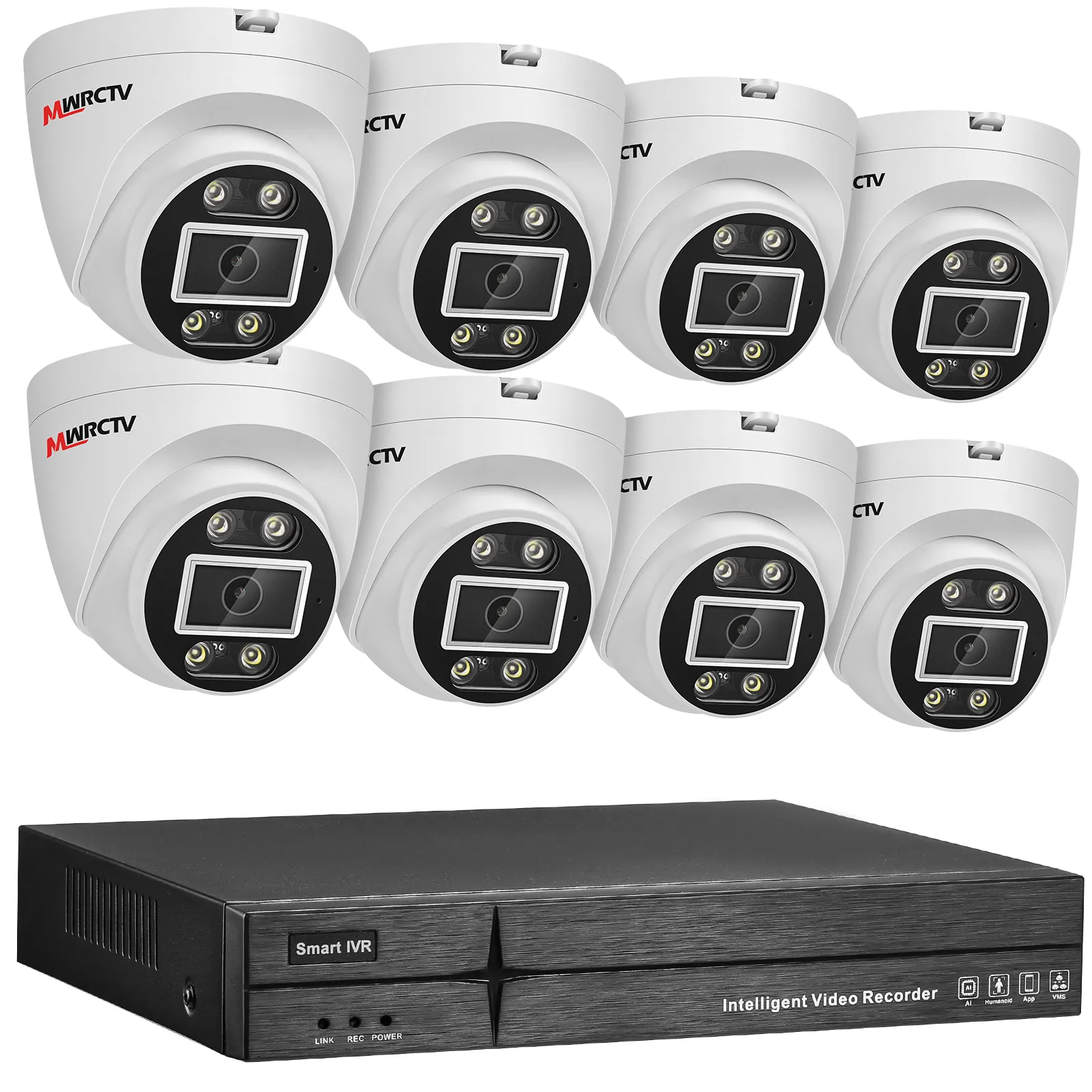
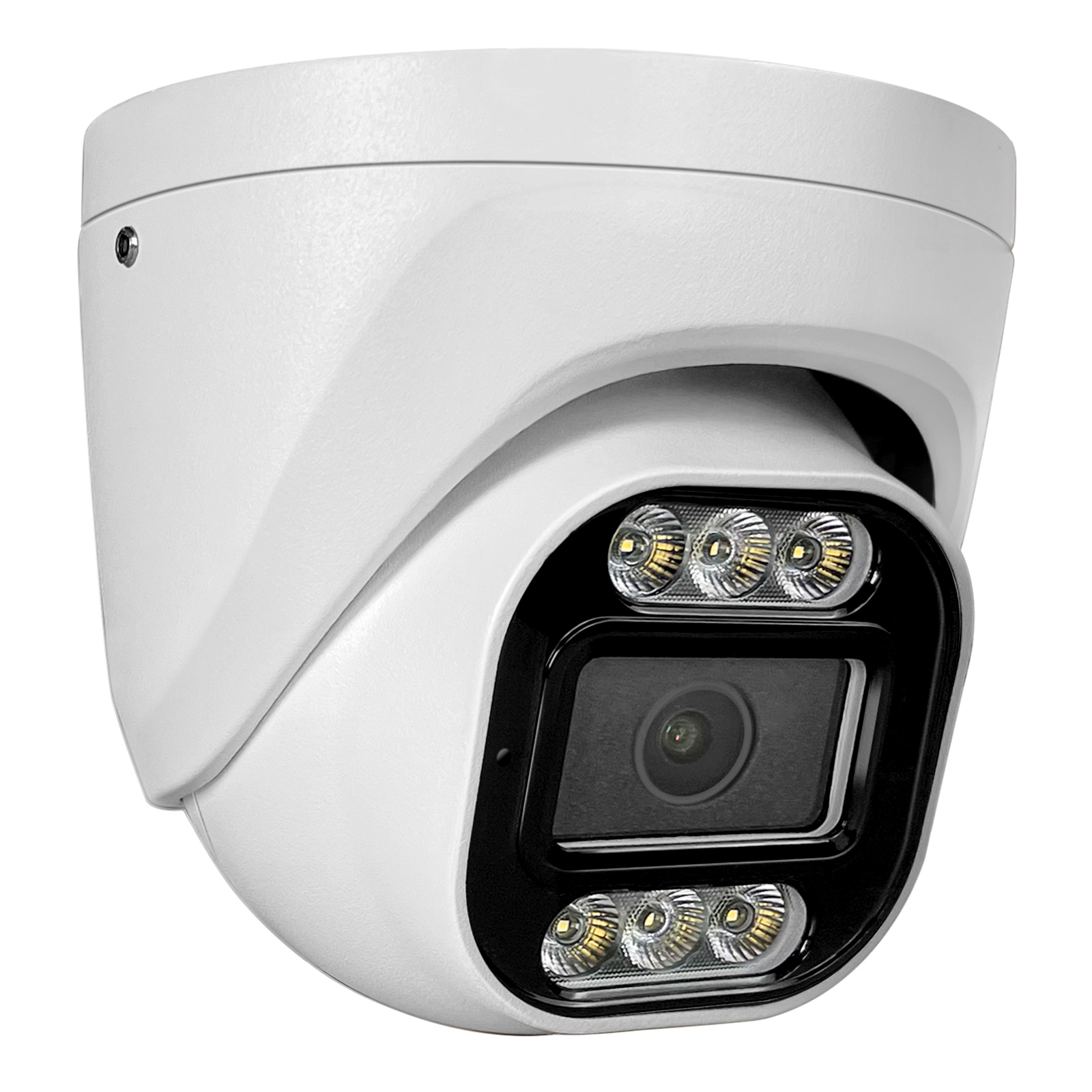
Better Video Quality: Wired cameras (including POE) often offer higher video quality than wireless cameras. Our mid-range MWRCTV POE cameras come in 5MP and 4K resolution, delivering crisp, clear footage that’s perfect for identifying faces, license plates, and other details. Wireless cameras may struggle with video quality if the Wi-Fi signal is weak.
More Secure: Wired cameras are less vulnerable to hacking than wireless cameras. Since they’re not connected to the Wi-Fi network, there’s no risk of someone intercepting the signal or accessing your footage. This is important for homeowners who value privacy and security.
Cost-Effective (Long-Term): While the initial setup cost of wired cameras (especially POE kits) may be slightly higher than wireless cameras, they’re more cost-effective in the long run. You don’t have to buy replacement batteries, and the system is more durable, so you won’t need to replace it as often.
Cons
Installation Requires Running Cables: The biggest downside of wired cameras is that you need to run cables around your home. However, POE cameras only require one cable per camera, which makes installation much easier than traditional wired cameras (which require two cables: power and data). Most homeowners can install a POE system themselves in a few hours.
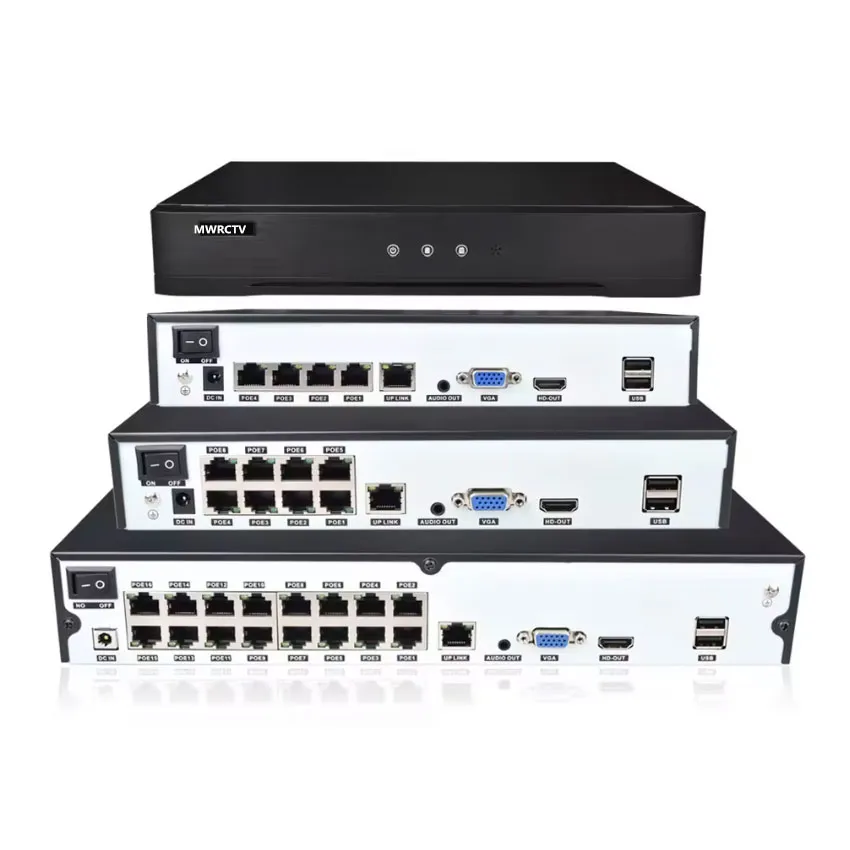
Less Flexibility in Placement: Wired cameras are limited by the length of the cables. You can’t place them too far from the NVR or POE switch (though POE cables can run up to 100 meters). Wireless cameras offer more flexibility in placement, as they don’t require a cable connection.
Wireless Security Cameras: Pros & Cons
Pros
Easy Installation (No Cables): The biggest advantage of wireless cameras is that they’re easy to install—no need to run cables around your home. You simply mount the camera, connect it to your Wi-Fi network, and you’re done. This is perfect for homeowners who don’t want to deal with cables.
Flexible Placement: Wireless cameras can be placed anywhere in your home (as long as they’re within range of your Wi-Fi network). You can easily move them around if you need to change your security setup.
Lower Initial Cost: Wireless cameras are often cheaper upfront than wired (POE) cameras. However, you need to factor in the cost of replacement batteries, which can add up over time.
Cons
Unreliable Connection: Wireless cameras rely on Wi-Fi, which can be unstable. If your Wi-Fi signal is weak or interrupted, you’ll get poor video quality or no footage at all. This is a big problem for home security, as you could miss important events.
Battery Replacement: Most wireless cameras are battery-powered, which means you need to replace the batteries every few months (depending on usage). This can be a hassle, especially if you have multiple cameras. Some wireless cameras are powered by a separate adapter, but that defeats the purpose of being “wireless.”
Lower Video Quality: Wireless cameras often have lower video quality than wired (POE) cameras. They may struggle with 4K resolution, and the footage can be grainy or blurry if the Wi-Fi signal is weak.
More Vulnerable to Hacking: Wireless cameras are connected to your Wi-Fi network, which makes them more vulnerable to hacking. If someone gains access to your Wi-Fi, they could access your camera footage or even take control of the camera.
Which Is Better for Mid-Range Buyers?
For mid-range buyers who want a reliable, cost-effective security system, wired (POE) cameras are usually the better choice. Here’s why:
They offer better reliability and video quality than wireless cameras, which is critical for home security.
They’re more cost-effective in the long run (no battery replacements).
POE systems are easy to install (DIY-friendly) and come in all-in-one kits that include everything you need.
They’re more secure, so you don’t have to worry about hacking or signal interference.
Wireless cameras may be a good choice if you have a small home, don’t want to run cables, and don’t mind replacing batteries. But for most mid-range buyers, POE (wired) cameras offer better value and peace of mind.




Wired vs. Wireless Security Cameras: Which Is Better for Your Home?
When it comes to choosing a home security camera system, one of the biggest decisions you’ll make is whether to go with wired or wireless cameras. Both options have their pros and cons, and the right choice depends on your home, budget, and security needs—especially if you’re looking for a mid-range solution that balances performance and affordability. In this article, we’ll compare wired (including POE) and wireless security cameras, so you can decide which is better for your home.
First, let’s clarify the difference between the two: Wired security cameras are connected to a power source and a recorder (like an NVR) via cables. POE (Power over Ethernet) cameras are a type of wired camera that uses a single Ethernet cable for both power and data. Wireless cameras, on the other hand, connect to your home’s Wi-Fi network and are powered by batteries or a separate power adapter (without a data cable).
For mid-range buyers, both options are available, but POE (wired) cameras often offer better value and reliability. Let’s break down the pros and cons of each:
Wired Security Cameras (Including POE): Pros & Cons
Pros
Cons
Wireless Security Cameras: Pros & Cons
Pros
Cons
Which Is Better for Mid-Range Buyers?
For mid-range buyers who want a reliable, cost-effective security system, wired (POE) cameras are usually the better choice. Here’s why:
Wireless cameras may be a good choice if you have a small home, don’t want to run cables, and don’t mind replacing batteries. But for most mid-range buyers, POE (wired) cameras offer better value and peace of mind.